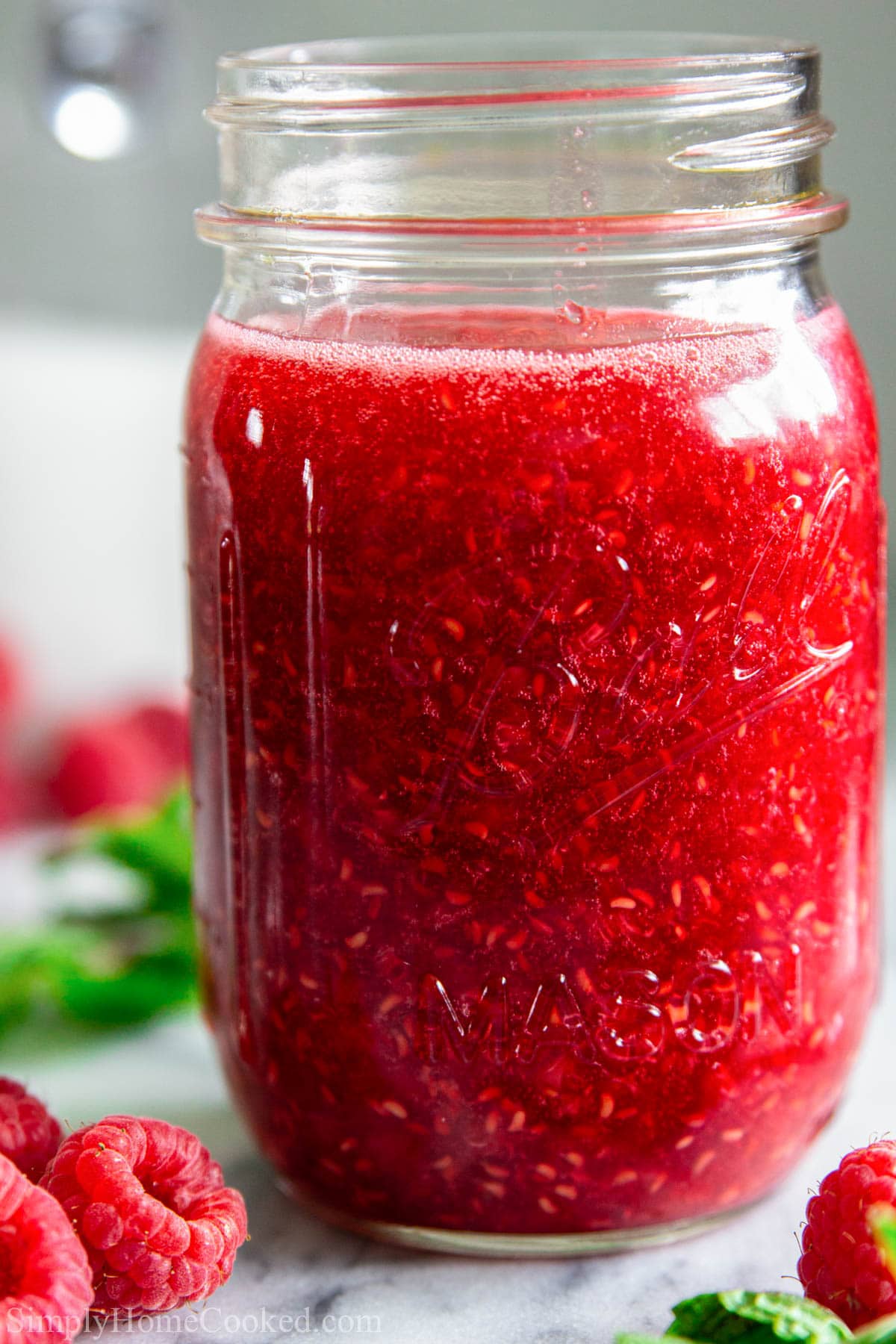
There's something undeniably luxurious about a vibrant, homemade raspberry sauce. Its bright, tart-sweet flavor instantly elevates everything from a simple scoop of vanilla ice cream to a sophisticated New York cheesecake. While store-bought versions exist, nothing quite compares to the freshness, purity, and control you get when you craft this delectable condiment right in your own kitchen. And the best part? It’s surprisingly quick and easy to make, often requiring just a handful of ingredients and mere minutes on the stovetop.
This comprehensive guide will walk you through everything you need to know about making the perfect raspberry sauce, exploring the age-old debate of fresh versus frozen berries, revealing the secret to a silky-smooth, seedless texture, and offering expert tips to make your sauce truly unforgettable.
The Allure of Homemade Raspberry Sauce
Why bother making raspberry sauce from scratch when you can grab a bottle from the store? The answer lies in unparalleled flavor, freshness, and the satisfaction of creating something truly special. Homemade sauce boasts a far more intense and authentic raspberry essence, free from artificial colors, flavors, or excessive preservatives often found in commercial products. It's a culinary blank canvas, allowing you to adjust sweetness, tartness, and thickness to perfectly complement any dish.
Home cooks rave about how simple yet impactful this sauce is. Imagine drizzling a glistening, ruby-red sauce over your breakfast pancakes, adding a burst of fruit to your morning yogurt, or transforming a plain dessert into a gourmet experience. The visual appeal alone is stunning, with its deep color making any dish look more inviting. Beyond just desserts, its versatility extends to drinks and even savory preparations, proving it's a staple worth mastering for any kitchen.
Fresh vs. Frozen Raspberries: A Flavorful Debate
One of the first decisions you'll face when making raspberry sauce is whether to use fresh or frozen raspberries. Both have their merits, and the choice often comes down to availability, convenience, and desired flavor intensity.
The Case for Fresh Raspberries
When in season, fresh raspberries are truly king. Their natural sweetness, delicate floral notes, and vibrant aroma are at their peak. Using fresh berries in your sauce will yield a flavor that is incredibly bright, pure, and intensely "raspberry." There's a subtle complexity and freshness that is hard to replicate. If you can find ripe, plump fresh raspberries, especially from a local farm or farmer's market, they are undoubtedly the superior choice for a show-stopping sauce. Look for berries that are firm, brightly colored, and free from mold. While they may be a bit more expensive and seasonal, the resulting flavor is often considered worth the splurge, making your homemade raspberry sauce a true highlight.
The Practicality of Frozen Raspberries
For most of the year, fresh raspberries can be hard to find or prohibitively expensive. This is where frozen raspberries shine. They are picked at the peak of ripeness and flash-frozen, locking in much of their flavor and nutritional value. Frozen raspberries are incredibly convenient, readily available year-round in most grocery stores, and often more budget-friendly. They work beautifully for raspberry sauce, breaking down easily during cooking and contributing a robust, tangy flavor. You don't even need to thaw them before cooking; simply add them straight to the saucepan. While the absolute peak freshness might be slightly muted compared to perfect in-season fresh berries, the difference is often negligible once cooked down into a sauce, especially when considering the convenience. Don't hesitate to reach for frozen if fresh aren't an option – your sauce will still be absolutely delicious!
Crafting Your Perfect Raspberry Sauce: A Step-by-Step Guide
Making a smooth, delectable raspberry sauce is a straightforward process. Here’s how to master it, focusing on essential ingredients and the critical step of achieving that seedless texture.
Essential Ingredients for Success
The beauty of this sauce lies in its simplicity. You'll typically need just four core ingredients:
- Raspberries: Approximately 1 to 1½ pounds. Whether fresh or frozen, these are the star of the show, providing the vibrant color and signature flavor.
- Granulated Sugar: About ¼ to ½ cup, depending on the sweetness of your berries and your personal preference. Sugar not only sweetens but also helps preserve the sauce and creates a luscious texture.
- Lemon Juice: 1 to 2 teaspoons. Freshly squeezed lemon juice is crucial. It brightens the flavor of the raspberries, balances the sweetness, and adds a touch of acidity that prevents the sauce from tasting flat. It really makes the berry flavor pop!
- Water (Optional): 1 to 2 tablespoons, or as needed. Water helps thin the sauce to your desired consistency. If you prefer a thicker sauce, particularly for topping ice cream or cheesecake, you might skip the water entirely.
Optional additions can include a splash of vanilla extract for warmth, a pinch of salt to enhance other flavors, or a tablespoon of a complementary liqueur like Framboise for an adult twist.
The Seedless Secret: Mastering the Strainer
For many, the hallmark of an elegant raspberry sauce is its silky, seedless texture. Removing the tiny, sometimes bothersome seeds is a simple step that significantly elevates the sauce's mouthfeel and aesthetic. Here’s how to do it:
- Cook the Berries: In a saucepan over medium heat, combine your raspberries, sugar, lemon juice, and optional water. Cook, stirring occasionally, until the raspberries break down, the sugar dissolves, and the mixture is heated through. This usually takes about 3 to 7 minutes. The berries will release their juices and soften into a pulpy consistency.
- Prepare for Straining: Place a fine-mesh strainer (sometimes called a sieve) over a medium-sized bowl or another saucepan. Ensure the strainer is large enough to hold all your cooked berry mixture.
- Press Through: Carefully pour the hot raspberry mixture into the strainer. Using the back of a sturdy spoon or a rubber spatula, press firmly against the solids, working them around the strainer. The smooth liquid sauce will pass through into the bowl below, leaving behind the seeds and any remaining pulp in the strainer. Continue pressing and scraping the underside of the strainer to get as much sauce as possible.
- Discard Seeds: Once you've extracted all the sauce, discard the seeds and pulp left in the strainer. You'll be left with a beautifully smooth, vibrant raspberry sauce.
This process is key to achieving that restaurant-quality texture that pairs perfectly with delicate desserts like panna cotta or cheesecake.
Achieving Your Desired Consistency
The thickness of your raspberry sauce is a matter of preference and application. If you find your sauce too thick after straining, you can thin it by stirring in a little more water, a teaspoon at a time, until it reaches your desired consistency. If it's too thin, especially if you added water and now want a richer texture, you can return the strained sauce to the saucepan and gently simmer it over low heat, stirring occasionally, until it reduces and thickens slightly. Be careful not to reduce it too much, as it will thicken further as it cools. For a particularly thick sauce perfect for spooning, consider omitting the water entirely during the initial cooking phase.
Beyond the Basics: Tips for Elevating Your Raspberry Sauce
While the basic recipe yields a fantastic raspberry sauce, there are many ways to customize and enhance its flavor profile to suit your tastes or complement specific dishes.
- Flavor Boosters: A dash of pure vanilla extract adds warmth and depth. For a more adventurous twist, try a tiny pinch of ground cardamom or star anise (remove after simmering). The zest of an orange or lime can also introduce a fragrant citrus note that beautifully complements raspberries.
- Liqueur Infusion: For an adult-friendly sauce, a tablespoon of Framboise (raspberry liqueur), Cointreau, Grand Marnier, or even a good brandy can add a sophisticated layer of flavor. Add it after the sauce has been strained and is cooling, or during the last minute of simmering to cook off some of the alcohol.
- Sweetness Adjustment: Always taste your raspberries before adding sugar. If they are very sweet, you may need less sugar. If they are tart, you might need more. Adjust the sugar gradually, tasting as you go, to find your perfect balance. A pinch of salt can also surprisingly enhance the overall sweetness and fruit flavor.
- Storage: Once cooled to room temperature, transfer your homemade raspberry sauce to an airtight container. It will keep beautifully in the refrigerator for up to 1-2 weeks. For longer storage, you can freeze the sauce in freezer-safe containers or ice cube trays for up to 3 months. Thaw in the refrigerator before use.
Versatile Applications for Your Homemade Raspberry Sauce
The beauty of homemade raspberry sauce lies in its incredible versatility. Once you've made a batch, you'll find countless ways to enjoy its vibrant flavor. It’s far more than just a dessert topping!
- Dessert Dynamo: This is where raspberry sauce truly shines. Drizzle it generously over cheesecake, panna cotta, chocolate lava cakes, or a simple bowl of vanilla bean ice cream. It's also fantastic with pancakes, waffles, French toast, or swirled into yogurt bowls. For chocolate raspberry cupcakes, it serves as an effortless yet elegant fruity topping.
- Beverage Brilliance: Elevate your drinks! Stir a spoonful into sparkling water for a refreshing mocktail, use it as a base for raspberry lemonade, or incorporate it into cocktails like a raspberry martini or a champagne mimosa. It can also add a delightful twist to iced tea.
- Savory Surprises: Don't limit this sauce to sweets. Its tart and sweet profile makes it an excellent accompaniment to savory dishes. Consider it as a glaze for roasted pork or chicken, a component in a vinaigrette for a fresh salad, or even paired with brie or goat cheese on a cracker for an unexpected appetizer.
Whether you're looking for a simple dessert enhancement or a creative culinary ingredient, this quick and easy 10-minute recipe for any dessert truly delivers on flavor and versatility.
Conclusion
Making homemade raspberry sauce is a rewarding culinary endeavor that offers fresh, vibrant flavors far superior to anything store-bought. With just a few simple ingredients and a commitment to that crucial seedless straining step, you can create a beautiful, delicious condiment that will impress and delight. Whether you opt for the peak flavor of fresh raspberries or the year-round convenience of frozen, the result is a versatile sauce that can transform everyday meals and special occasions alike. So, gather your ingredients, set aside a few minutes, and prepare to elevate your culinary creations with this exquisite, homemade delight.
